
Discover yoga's transformative benefits for self-discovery, stress relief, and inner peace—perfect for Nepal beginners. Shop yoga books at Pilgrims Book House | Buy Books Online Nepal - Rare Himalayan Titles.
The Benefits of Yoga: A Journey of Self-Discovery
Table of Contents
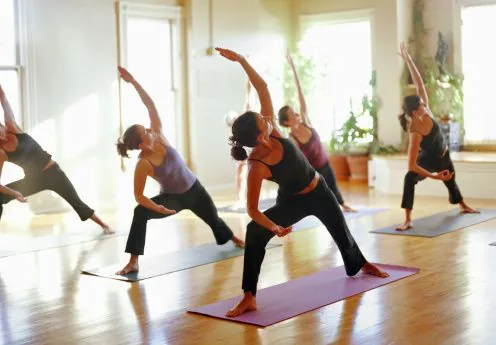
Benefits of Yoga: A Journey of Self-Discovery
In the shadow of the Himalayas, yoga was born — not as a fitness trend, but as a path to self-realization. Long before modern gyms and wellness apps, sages in the mountains of Nepal and India developed a practice that unified the body, breath, and mind into a single harmonious system. Today, whether you are navigating the busy streets of Kathmandu or working from home in Lalitpur, yoga offers the same timeless tools: reduced stress, improved health, and a deeper understanding of who you truly are.
This blog explores the full spectrum of yoga's benefits — physical, mental, emotional, and spiritual — and shows you how to begin your own journey of self-discovery, one breath at a time.
Explore our collection of yoga books at Pilgrims Book House — Nepal's trusted source for rare Himalayan titles since 1984.
Physical Benefits of Yoga
The body is the first place yoga makes itself known. Unlike high-impact workouts that can lead to injury, yoga builds strength and flexibility simultaneously and gently — which is exactly why it has endured for thousands of years and why modern science continues to validate it.
Through a consistent asana practice, you will notice improved posture as the muscles that support your spine grow stronger and more balanced. Poses like Adho Mukha Svanasana (Downward Dog) decompress the spine, stretch the hamstrings, and energize the entire body in a single movement. Virabhadrasana II (Warrior II) builds lower-body strength and cultivates a grounded, stable confidence that carries into everyday life.
Beyond the obvious flexibility gains, regular yoga practice has been shown in multiple clinical studies to lower resting blood pressure, improve heart rate variability, support digestive health through twisting postures that massage the internal organs, and strengthen immune function by reducing the stress hormone cortisol. For those who spend long hours at a desk — freelancers, students, office workers — yoga is one of the most effective antidotes to the physical toll of a sedentary lifestyle.
Even a short daily practice of fifteen to twenty minutes produces measurable results within a few weeks. The key is consistency over intensity. You do not need to twist yourself into advanced postures to experience profound physical change — the basics, done mindfully and regularly, are more than enough.
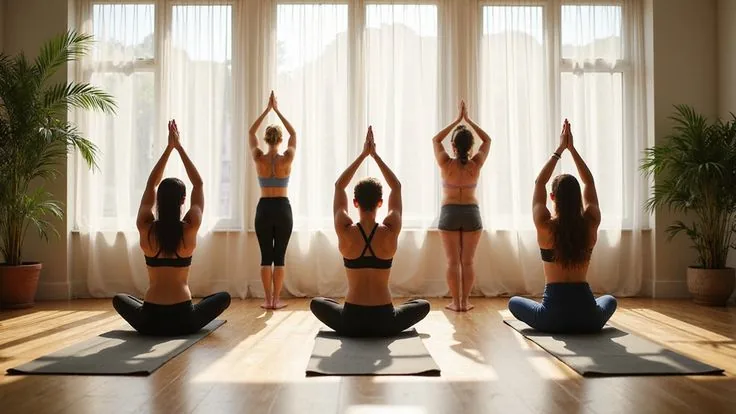
Mental & Emotional Benefits of Yoga
If the physical benefits of yoga are impressive, the mental and emotional benefits are transformative. The mind is where yoga truly earns its ancient reputation — and where modern neuroscience is catching up with what practitioners have known for millennia.
Pranayama, the science of breath regulation, is yoga's most powerful mental health tool. By consciously slowing and deepening the breath, pranayama directly activates the parasympathetic nervous system — shifting the body out of its stress-driven fight-or-flight mode and into a calm, restorative state. Research published in the International Journal of Yoga confirms that eight weeks of consistent pranayama practice significantly reduces anxiety, depression scores, and cortisol levels in participants.
Meditation, which is woven throughout the yoga tradition, trains the mind's attention and builds what psychologists call "metacognitive awareness" — the ability to observe your own thoughts rather than being swept away by them. This skill alone has profound implications for emotional regulation, conflict resolution, and overall mental wellbeing.
The mental and emotional benefits of a regular yoga practice include:
- Better sleep quality — yoga reduces the hyperarousal that keeps the mind racing at night, making it especially valuable for city dwellers contending with noise and screen exposure.
- Reduced anxiety and depression — through breath work, movement, and meditation, yoga addresses anxiety from multiple angles simultaneously.
- Increased self-esteem — mastering a challenging pose, however small, builds genuine self-efficacy that extends far beyond the mat.
- Greater emotional resilience — regular practitioners report feeling less reactive to stress and more capable of returning to calm after difficult experiences.
- Improved focus and concentration — the single-pointed attention cultivated in yoga practice transfers directly to work, study, and creative pursuits.
To deepen your understanding of the mental dimensions of yoga, pair your practice with a good book. Our yoga collection at Pilgrims Online includes titles on pranayama, meditation, and the psychology of mindfulness — many sourced directly from Himalayan traditions.
Yoga as a Journey of Self-Discovery
This is the heart of yoga's ancient promise. Physical fitness and mental calm are wonderful byproducts, but the tradition's deepest aim has always been svadhyaya — self-study. The Sanskrit word literally means "to go towards oneself," and it describes a lifelong process of inquiry into your own nature: your patterns, your conditioning, your fears, and ultimately, your truest self beneath all of it.
Just as a Himalayan trek slowly reveals breathtaking peaks that were hidden behind clouds at the start of the journey, a dedicated yoga practice peels back layer after layer of habit and assumption to uncover who you actually are — not who you were told to be, not who you perform for the world, but the quiet, steady awareness that was always there underneath.
The great sage Patanjali, writing around 400 CE in his Yoga Sutras, described an eight-limbed path — Ashtanga — that moves progressively from ethical principles and physical practice all the way through to samadhi: a state of complete absorption, clarity, and inner freedom. You do not need to reach samadhi on your first mat session. The path is graduated, forgiving, and deeply personal. Every practitioner's journey looks different, and that is entirely as it should be.
At the beginner stage, self-discovery in yoga often begins with simple physical awareness: noticing where you hold tension, how your breath changes when you are stressed, which poses feel effortless and which trigger resistance. These observations, seemingly small, are the first windows into patterns that run much deeper. Over time, as the practice matures, yoga becomes a mirror — reflecting back your habitual ways of thinking, reacting, and relating to yourself and others.
This is why so many people who begin yoga for physical reasons find themselves staying for something they struggle to put into words — a growing sense of coming home to themselves.
Beginner Yoga Routine for Self-Discovery
The following sequence is ideal for anyone stepping onto the mat for the first time. Hold each pose with full attention, breathing slowly and steadily through the nose throughout:
| Pose | Sanskrit Name | Primary Benefit | Duration |
|---|---|---|---|
| Child's Pose | Balasana | Stress release, grounding | 1–2 min |
| Cat–Cow | Marjaryasana–Bitilasana | Spinal mobility, breath awareness | 8–10 breaths |
| Downward Dog | Adho Mukha Svanasana | Full-body stretch, energy | 5 breaths |
| Warrior II | Virabhadrasana II | Strength, confidence building | 30 sec / side |
| Seated Forward Fold | Paschimottanasana | Hamstring release, introspection | 1–2 min |
| Corpse Pose | Savasana | Integration, self-reflection | 5–10 min |
For further reading on the philosophy of self-discovery through yoga, the Yoga Sutras of Patanjali and B.K.S. Iyengar's Light on Yoga are essential companions. Both are available through our yoga books collection.
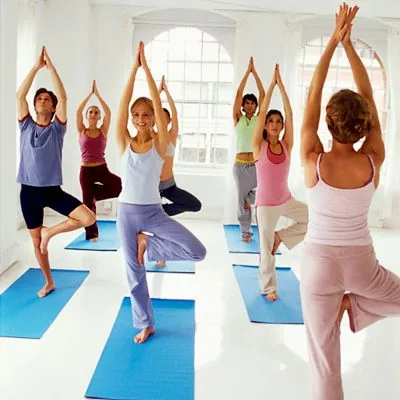
Getting Started with Yoga in Nepal
Nepal is uniquely positioned as one of the world's great yoga destinations. The Himalayan philosophical tradition that gave rise to yoga remains alive and active in the Kathmandu Valley — respected teachers trained in lineages stretching back generations can be found in Thamel, Boudha, and Patan. For beginners, even a handful of guided sessions with an experienced teacher is invaluable for learning correct alignment and avoiding injury.
For those who prefer to start at home, a well-chosen yoga book is worth more than dozens of scattered online videos. A good book gives you a complete, sequenced programme with the anatomical detail and philosophical context that short-form content rarely provides. Classics like Light on Yoga by B.K.S. Iyengar or the accessible Everyday Yoga are excellent starting points — browse our full yoga category at Pilgrims Online for these and many more titles.
The most common barrier to starting is time. The solution is simpler than most people expect: commit to just fifteen minutes each morning before the demands of the day take over. Place your mat next to your bed the night before. Keep a book or a simple written sequence nearby. Remove friction, lower the threshold, and begin. The practice itself will do the rest.
Whether your goal is a stronger body, a calmer mind, or a deeper understanding of yourself, yoga meets you exactly where you are — and gently, persistently, takes you somewhere better.
Conclusion
Yoga is not a destination. It is a practice — one that unfolds differently for every person who steps onto the mat, and that deepens with every year of sincere engagement. From the physical relief of a body that moves freely and without pain, to the mental clarity of a mind no longer at the mercy of its own noise, to the profound self-knowledge that comes from years of honest inner inquiry — the benefits of yoga are real, wide-ranging, and lasting.
The Himalayan tradition that gave the world this practice has been kept alive in Nepal for thousands of years. At Pilgrims Book House, we are proud to connect practitioners around the world with the texts, teachers, and wisdom of that tradition. Whether you are just beginning or deepening a long-established practice, we have the books to accompany your journey.
Shop yoga books at Pilgrims Book House — Buy Books Online Nepal and begin your journey of self-discovery today.
Frequently Asked Questions About Yoga
How often should a beginner practice yoga?
For beginners, practicing three to four times per week is ideal. Even short sessions of fifteen to twenty minutes are effective — consistency matters far more than duration. As you grow more comfortable with the practice, you can gradually increase frequency and session length. Many experienced practitioners practice daily, but there is no single right answer; listen to your body and build a rhythm that is sustainable for your lifestyle.
Do I need to be flexible to start yoga?
Absolutely not — this is one of the most common misconceptions about yoga. Flexibility is a result of yoga practice, not a prerequisite for it. Every pose can be modified to suit your current range of motion, and a good teacher or instructional book will always offer variations. The only thing you need to begin is a willingness to show up and breathe.
What is the best type of yoga for beginners?
Hatha yoga is widely considered the most accessible starting point for beginners, as it focuses on foundational poses held at a gentle pace with emphasis on breath and alignment. Yin yoga is also excellent for those seeking deep relaxation and flexibility work. Vinyasa and Ashtanga are more dynamic and physically demanding, and are better suited once you have a solid foundation. If you are unsure where to begin, a structured beginner's book or a local class in Thamel or Boudha can help you find the right style for your body and goals.
Can yoga help with stress and anxiety?
Yes — and this is one of the most well-researched benefits of yoga. Pranayama (breath work) directly activates the parasympathetic nervous system, which counteracts the body's stress response. Regular practice has been shown in multiple studies to significantly reduce cortisol levels, lower anxiety scores, and improve overall mood. Many practitioners report that even a single session produces a noticeable shift in how they feel mentally and emotionally.
Is yoga a religious practice?
Yoga has deep roots in Hindu and Buddhist philosophy, particularly in the Himalayan traditions of Nepal and India. However, the physical and mindfulness-based aspects of modern yoga are practiced widely across cultures and religions without any conflict of belief. You can engage with yoga purely as a physical and mental wellness practice, or you can explore its philosophical and spiritual dimensions — the choice is entirely yours. Many practitioners find that yoga enriches rather than conflicts with their existing spiritual or religious life.
How long does it take to see results from yoga?
Most people notice improvements in flexibility, sleep quality, and stress levels within two to four weeks of regular practice. Significant strength gains and postural changes typically become apparent after two to three months. The deeper benefits — greater emotional resilience, self-awareness, and the sense of inner calm that long-term practitioners describe — develop gradually over years. Yoga rewards patience. The practice is not a quick fix; it is a lifelong investment in your wellbeing.
Where can I find good yoga books in Nepal?
Pilgrims Book House is Nepal's leading source for yoga literature, Himalayan philosophy, and mindfulness texts. Our collection includes foundational classics like B.K.S. Iyengar's Light on Yoga, translations of Patanjali's Yoga Sutras, and a wide range of contemporary guides for beginners and advanced practitioners alike. Browse our full yoga books collection online — we ship across Nepal and worldwide.
Explore related collections at Pilgrims
Browse more on our shelves: Yoga, Meditation, Spirituality.

.webp)
