
Explore epic trekking in Nepal's Himalayas—Everest Base Camp, Annapurna trails & more. Essential tips for adventure seekers. Shop trekking guides at Pilgrims Book House | Buy Books Online Nepal - Rare Himalayan Titles.
Trekking in Nepal: Himalayan Adventure Guide | Buy Books Online Nepal
Table of Contents
Trekking in Nepal: The Ultimate Himalayan Adventure Guide 2026
Nepal is home to eight of the world's fourteen 8,000-metre peaks, hundreds of kilometres of marked trails, and some of the most dramatic mountain scenery on the planet. For adventure seekers, trekkers, and travellers who want to push beyond the ordinary, the Himalayas offer an experience that simply cannot be replicated anywhere else on earth. Whether you are dreaming of standing at the foot of Mount Everest, circling the Annapurna massif through rhododendron forests and high mountain passes, or discovering the hidden valleys of Langtang, Nepal's trekking trails deliver adventure, culture, and natural beauty in equal measure.
This guide covers everything you need to plan your Himalayan adventure in 2026 — from choosing the right trek and understanding permits, to packing smart, staying safe, and immersing yourself in the rich Sherpa and Gurung cultures along the way. Before you lace up your boots, stock up on essential reading at Pilgrims Book House | Buy Books Online Nepal - Rare Himalayan Titles — Nepal's leading source for trekking guides, maps, and Himalayan literature since 1984.
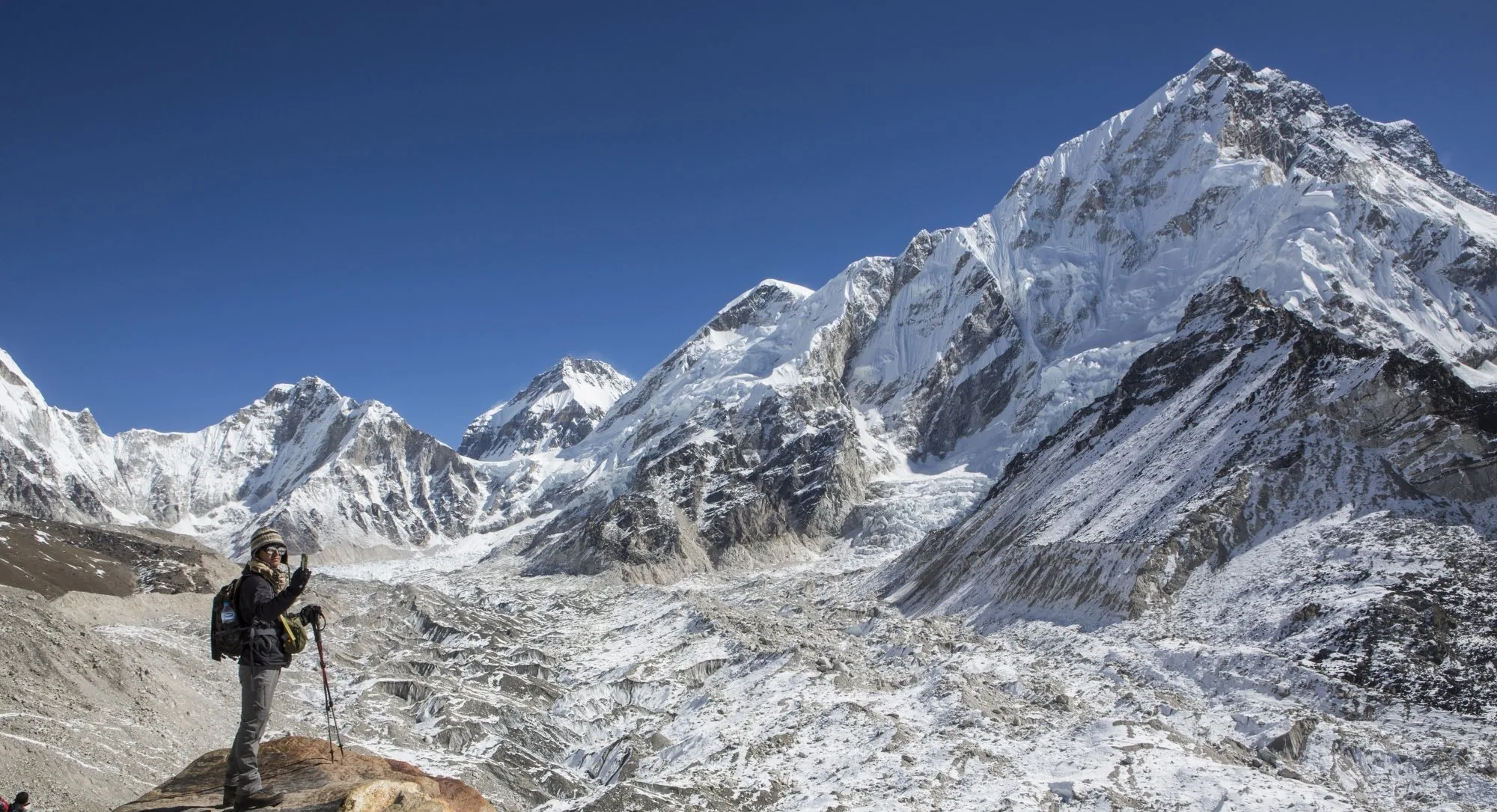
Why Trek in Nepal? The Himalayan Difference
Trekking in Nepal is unlike anything else in the world. The trails are not just paths through mountains — they are ancient trading routes, pilgrimage corridors, and living cultural landscapes that have been walked for centuries. On a single day's trek in the Khumbu region, you might pass a centuries-old Buddhist monastery draped in prayer flags, share tea with a Sherpa family in a stone teahouse, and look up to see Everest, Lhotse, and Ama Dablam framed against a brilliant blue sky.
The diversity of Nepal's trekking terrain is equally remarkable. Within the same country you will find subtropical jungle, terraced rice paddies, temperate oak and rhododendron forest, alpine meadows, and stark high-altitude glacial landscapes above 5,000 metres. This variety means that Nepal has a trek for every fitness level, every budget, and every type of traveller — from first-time trekkers to seasoned mountaineers looking for their next challenge.
Nepal's trekking industry is also one of the most well-developed in the world. A network of teahouses provides accommodation and hot meals along every major route, meaning you can complete classic treks like Everest Base Camp without carrying a tent or cooking your own food. Experienced licensed guides and porters are available throughout the country, and the trail infrastructure — while rugged in places — is reliable and well-marked on the major routes.
Top Himalayan Treks in Nepal
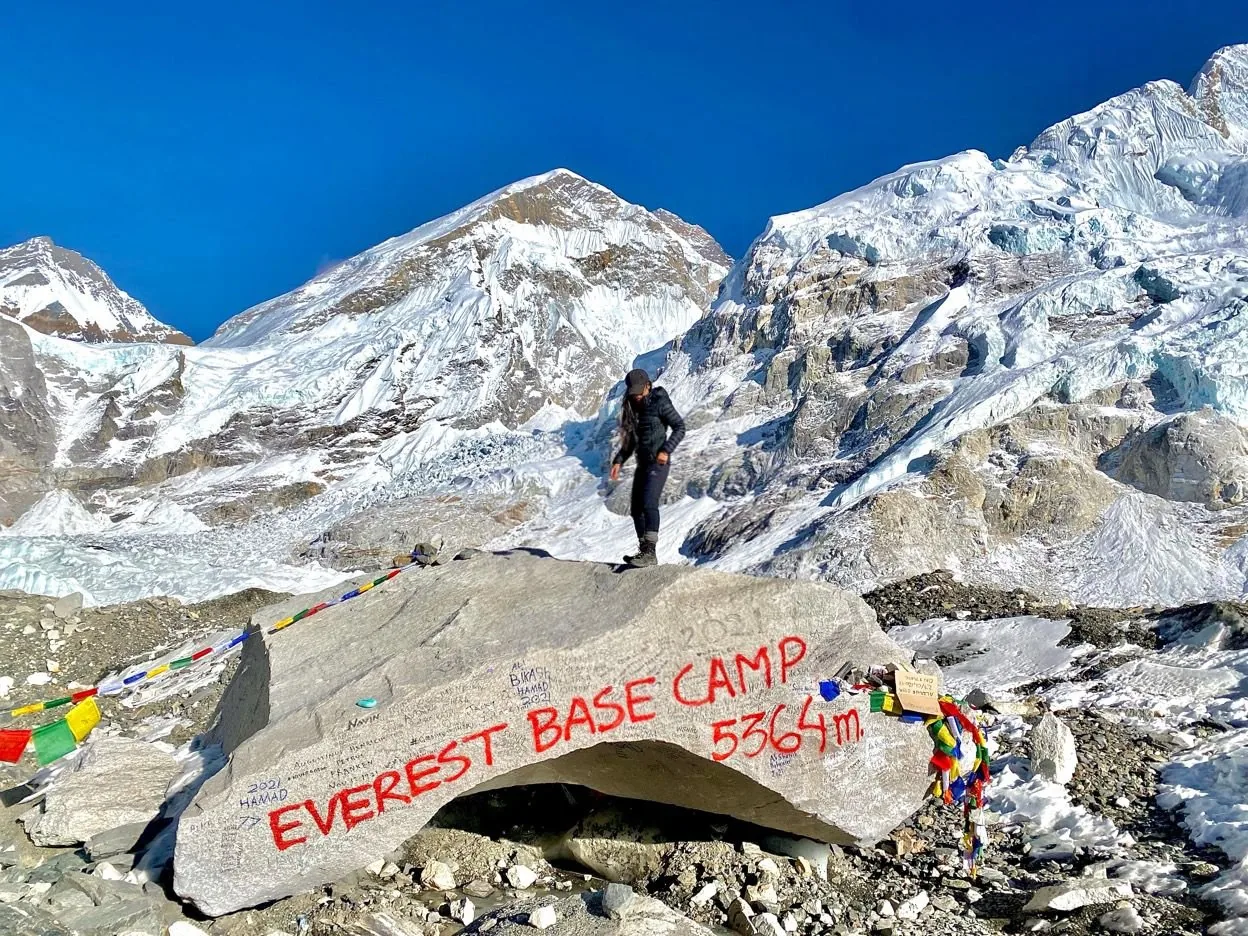
1. Everest Base Camp Trek
The Everest Base Camp trek is the most iconic trek in the world, and for good reason. The 12–14 day round trip from Lukla takes you deep into the Khumbu region — the homeland of the Sherpa people — through the towns of Namche Bazaar, Tengboche, Dingboche, and Lobuche before reaching Base Camp at 5,364 metres. Along the way you will pass through Sagarmatha National Park, cross high suspension bridges strung with prayer flags, visit ancient gompas, and wake each morning to views of Everest, Lhotse, Nuptse, and Ama Dablam that no photograph can fully prepare you for.
The highlight for many trekkers is the pre-dawn hike to Kala Patthar (5,545m) — a viewpoint above Base Camp that offers what many consider the finest view of Mount Everest available without technical climbing equipment. The Khumbu Icefall, visible from Base Camp, is an awe-inspiring sight: a churning, cracked river of ice and seracs that separates the base camp from the mountain proper.
2. Annapurna Base Camp Trek
The Annapurna Base Camp (ABC) trek is one of Nepal's most beloved routes — shorter and more accessible than the full Annapurna Circuit, yet no less spectacular. The 7–12 day trek takes you through the Modi Khola valley, past the thriving trekking hub of Ghorepani, through dense rhododendron and bamboo forests, and up to the Annapurna Sanctuary: a breathtaking glacial amphitheatre ringed by ten peaks over 6,500 metres including Annapurna I (8,091m), Machapuchare (6,993m), and Hiunchuli. The natural hot springs at Jhinu Danda on the return leg are one of the most welcome rewards in all of Himalayan trekking.
3. Annapurna Circuit
For those with more time and a hunger for variety, the Annapurna Circuit (15–21 days) is one of the great classic treks on earth. The route circumnavigates the entire Annapurna massif, crossing the Thorong La pass at 5,416 metres — the highest point on the circuit — and passing through an extraordinary range of landscapes and cultural zones: Hindu lowland villages, Buddhist highland settlements, arid Trans-Himalayan terrain reminiscent of Tibet, and lush subtropical valleys. The Mustang region passed on the northern side of the circuit is particularly compelling, with its ancient cave monasteries and desert landscapes.
4. Langtang Valley Trek
Often called Nepal's most accessible Himalayan trek, the Langtang Valley route (7–10 days) is ideal for those who want genuine high-mountain scenery without the crowds or length of the Everest and Annapurna routes. Just 50 kilometres north of Kathmandu, Langtang offers spectacular views of Langtang Lirung (7,227m), a warm cultural encounter with Tamang and Tibetan communities, and the chance to visit the Kyanjin Gompa monastery at 3,870 metres. The valley was severely affected by the 2015 earthquake, and visiting today directly supports the ongoing rebuilding of local communities.
Trek Comparison Table
| Trek | Duration | Difficulty | Max Altitude | Highlights |
|---|---|---|---|---|
| Everest Base Camp | 12–14 days | Moderate–Hard | 5,545m (Kala Patthar) | Khumbu Icefall, Sherpa culture, Sagarmatha NP |
| Annapurna Base Camp | 7–12 days | Moderate | 4,130m (ABC) | Annapurna Sanctuary, rhododendron forests, hot springs |
| Annapurna Circuit | 15–21 days | Moderate–Hard | 5,416m (Thorong La) | Diverse terrain, Mustang, Tibetan culture |
| Langtang Valley | 7–10 days | Easy–Moderate | 4,984m (Tsergo Ri) | Tamang culture, close to Kathmandu, less crowded |
| Manaslu Circuit | 14–18 days | Hard | 5,160m (Larkya La) | Remote Tsum Valley, restricted area, raw wilderness |
Best Time to Trek in Nepal 2026
Timing is everything when it comes to trekking in the Himalayas. Nepal has two primary trekking seasons, each offering distinct conditions and advantages.
Autumn (October–November) is widely considered the best time to trek in Nepal. The monsoon rains have cleared the air, leaving the mountains razor-sharp against cobalt-blue skies. Temperatures are comfortable at lower altitudes and cold but manageable at high camps. Trails are busy but well-serviced, with teahouses fully stocked and the trekking infrastructure at its peak.
Spring (March–May) is the second-best season and arguably the most beautiful, as rhododendron forests across the Annapurna and Langtang regions burst into bloom in vivid reds, pinks, and whites. Visibility is excellent in March and April before the pre-monsoon haze builds in late May. This is also the primary Everest climbing season, so the Khumbu region is particularly alive with energy.
Winter (December–February) brings cold and snow at high altitudes but clear skies and near-empty trails at lower elevations. Experienced trekkers who are properly equipped can have a remarkable, crowd-free experience on routes like the Annapurna foothills and Ghorepani Poon Hill circuit.
Monsoon (June–September) is generally not recommended for high-altitude trekking due to heavy rain, leeches on lower trails, and frequent cloud cover obscuring mountain views. The exception is the rain-shadow regions north of the main Himalayan range — Upper Mustang and Dolpo — which remain largely dry during monsoon and offer extraordinary trekking.
Permits & Paperwork
All trekkers in Nepal require permits, and the specific permits needed depend on the region you are trekking in. For the Everest Base Camp trek, you will need a Sagarmatha National Park entry permit and a Khumbu Pasang Lhamu Rural Municipality fee. For Annapurna treks, you need an Annapurna Conservation Area Permit (ACAP) and a TIMS card (Trekkers' Information Management System). Remote and restricted areas like Manaslu, Upper Mustang, and Dolpo require additional special permits and must be trekked with a licensed guide.
Permits can be obtained in Kathmandu at the Nepal Tourism Board office in Pradarshani Marg, or in Pokhara for Annapurna permits. Processing is generally straightforward and can be completed within a few hours with passport photos and a copy of your passport.
Preparation & Packing: What to Bring
Proper preparation is the difference between an incredible trek and a miserable one. Here is what every trekker heading into the Nepali Himalayas needs to pack and know:
Essential Gear
- Footwear: Waterproof, ankle-supporting trekking boots — broken in before you arrive. Do not attempt EBC in trail runners.
- Base layers: Moisture-wicking thermal tops and bottoms for cold mornings and high altitude nights.
- Insulation: A quality down jacket (600+ fill power) for above 3,500m. Temperatures can drop well below freezing at night at higher elevations.
- Waterproofs: A packable waterproof jacket and trousers for rain and wind.
- Trekking poles: Essential for knee protection on steep descents, especially for multi-week treks.
- Sleeping bag: Rated to at least -10°C for EBC and Annapurna Circuit high camps. Teahouse blankets exist but vary in quality.
- Headlamp: Power cuts are common in teahouses; pre-dawn alpine starts require a reliable headlamp with spare batteries.
- Water purification: Tablets or a filter — buying plastic water bottles on trail adds significantly to waste and cost.
- Sun protection: High-SPF sunscreen, UV-blocking sunglasses, and a sun hat. UV radiation is intense at altitude.
- First aid kit: Include blister care, ibuprofen, rehydration salts, and Diamox (acetazolamide) for AMS prevention if prescribed by your doctor.
Altitude Sickness (AMS) — Know the Rules
Acute Mountain Sickness is the most serious health risk on Nepal's high-altitude treks. The golden rule is simple: ascend slowly, acclimatize properly, and never ignore symptoms. The standard guideline above 3,000 metres is to ascend no more than 300–500 metres of sleeping altitude per day, with a rest day every third day. Symptoms of AMS include headache, nausea, fatigue, and loss of appetite. If symptoms worsen — particularly if you experience confusion, loss of coordination, or difficulty breathing at rest — descend immediately. There is no shame in turning back; the mountain will always be there. Get your trekking guide at Pilgrims Book House | Buy Books Online Nepal - Rare Himalayan Titles for detailed altitude safety protocols.
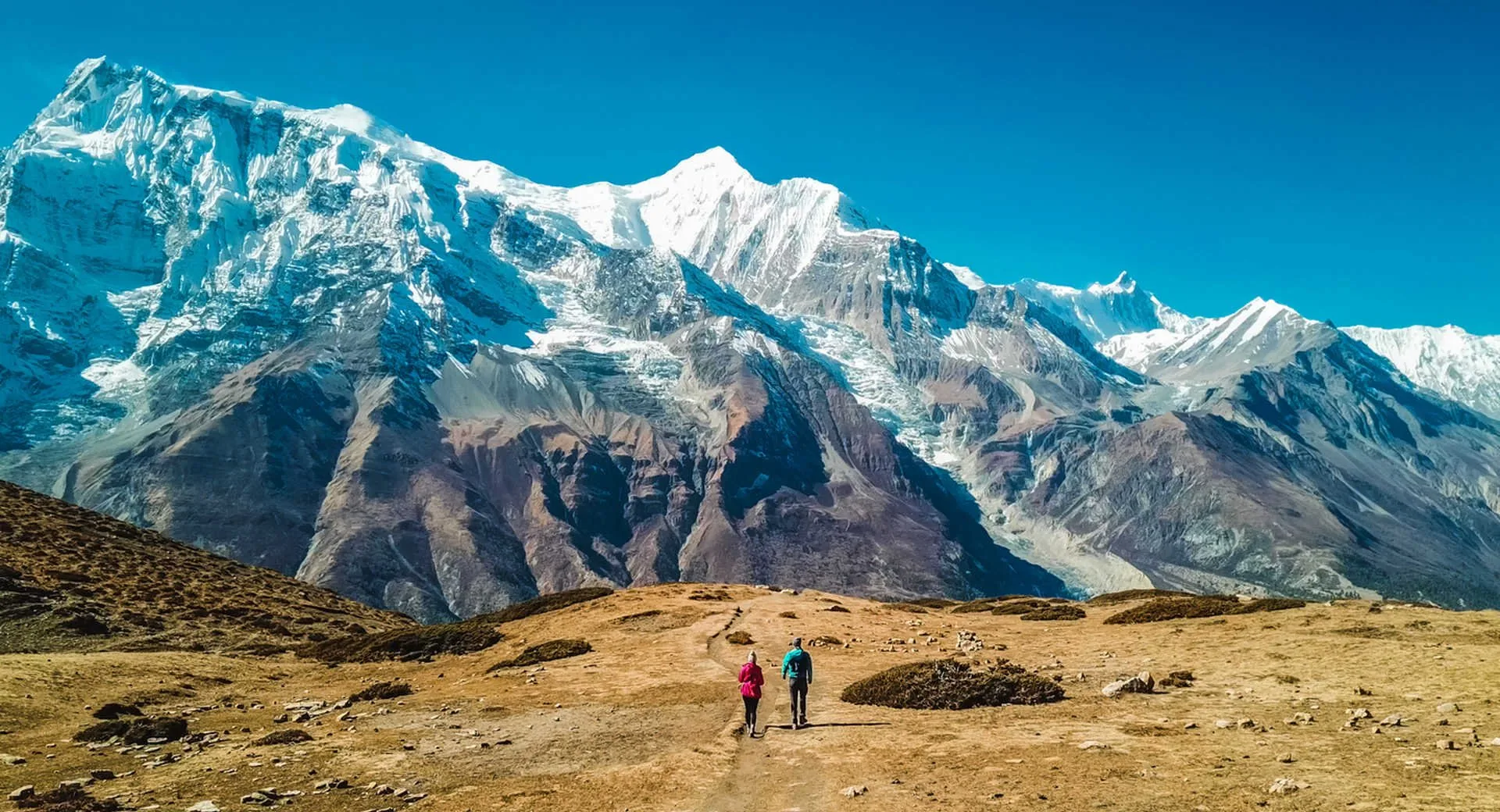
Nepal Trekking Culture: Teahouses, Sherpas & the Trail Community
One of the most underrated dimensions of trekking in Nepal is the cultural immersion it provides. The trails of the Khumbu, Annapurna, and Langtang regions pass through living communities — not tourist corridors — and the warmth and hospitality of the people along the way is something every trekker remembers long after the mountain views have faded from memory.
The teahouse system is the backbone of Nepali trekking culture. These family-run lodges, found at regular intervals on every major route, offer a bed, hot meals, and a warm common room where trekkers from across the world gather each evening to share stories, dry their socks, and drink mugs of butter tea or sweet milk chai. The food in teahouses has improved dramatically in recent years — expect everything from dal bhat and momos to pasta, pizza, and apple pie as you near the more established trail hubs.
The Sherpa people of the Khumbu region are among the most extraordinary communities on earth. Renowned worldwide for their mountaineering skill and altitude endurance, the Sherpas have been the backbone of Himalayan expeditions for over a century. Trekking through their villages — Namche Bazaar, Khumjung, Pangboche, Dingboche — offers a genuine window into a culture that has preserved its Tibetan Buddhist traditions, language, and architecture in the face of rapid modernisation. Visit the monasteries, attend a puja ceremony if invited, and take time to learn a few words of Nepali (Namaste, Dhanyabad) — it will transform your experience on the trail.
Sustainable, respectful trekking matters enormously. Always hire local licensed guides and porters rather than using international operators who outsource locally. Pay fair wages, carry out your waste, and buy locally made products rather than imported goods. For deeper reading on Himalayan cultures and sustainable travel, explore our full range at Pilgrims Book House | Buy Books Online Nepal - Rare Himalayan Titles.
Safety & Sustainability on the Trail
Nepal's trails are generally safe for well-prepared trekkers, but the mountains demand respect. Hire a licensed guide for any trek above moderate difficulty — not only do guides provide invaluable local knowledge and language support, but they are trained in first aid and altitude emergency response. On restricted routes like Manaslu and Upper Mustang, a licensed guide is a legal requirement.
Travel insurance is non-negotiable. Ensure your policy covers high-altitude trekking and helicopter evacuation — rescue helicopters are the primary emergency response in the Himalayas, and they are expensive without insurance. Register your trek with your country's embassy and leave your itinerary with someone at home.
On sustainability: Nepal's mountains face growing pressure from trekking tourism. Follow Leave No Trace principles rigorously — carry out all non-biodegradable waste, stay on marked trails, and avoid picking plants or disturbing wildlife. The Sagarmatha Pollution Control Committee (SPCC) in the Khumbu has made significant progress in cleaning up the Everest region in recent years, but every trekker has a responsibility to maintain what has been achieved. For official safety and travel guidance, visit the Nepal Tourism Board.
For comprehensive route planning and trail mapping, AllTrails offers detailed GPS routes for many of Nepal's major trekking corridors.
Essential Trekking Books for Nepal 2026
No amount of online research replaces the depth, reliability, and portability of a good trekking guidebook. Whether you are planning your route from home or consulting a map at a teahouse in Namche Bazaar, the right book is one of the most valuable items in your pack. At Pilgrims Book House, we stock the most comprehensive range of Nepal trekking literature available anywhere in the country:
- Trekking and Climbing in Nepal — the definitive field guide covering routes, permits, and safety across all major trekking regions.
- Nepal Trekking Guide — detailed itineraries, altitude profiles, and cultural context for every major route.
- Browse our complete books collection at Pilgrims Online for maps, phrasebooks, natural history guides, and Himalayan photography books.
Conclusion: Your Himalayan Adventure Awaits
There are few experiences in life that match the feeling of standing on a high Himalayan pass, lungs full of thin cold air, the world stretched out below you in every direction. Nepal's trekking trails offer that feeling — and so much more: the kindness of the people, the richness of the culture, the humbling scale of the mountains, and the quiet transformation that comes from putting one foot in front of the other, day after day, through some of the most magnificent landscape on earth.
Whether this is your first trek or your tenth, 2026 is a brilliant year to head to the Himalayas. Plan thoroughly, prepare well, trek responsibly — and make sure your bookshelf is ready before your boots are. Shop trekking guides and Himalayan books at Pilgrims Book House | Buy Books Online Nepal - Rare Himalayan Titles and start your adventure today.
Frequently Asked Questions: Trekking in Nepal
Do I need a guide to trek in Nepal?
A licensed guide is legally required for restricted-area treks such as Manaslu, Upper Mustang, Dolpo, and Kanchenjunga. For major routes like Everest Base Camp and Annapurna, hiring a guide is not legally mandatory but is strongly recommended — particularly for first-time trekkers. A good guide provides local knowledge, language support, cultural context, and critical safety assistance in the event of altitude sickness or injury. They also directly support the local economy. Licensed guides can be booked through reputable agencies in Kathmandu or Pokhara.
How fit do I need to be for Everest Base Camp?
You do not need to be an athlete, but a solid base of cardiovascular fitness will make your trek significantly more enjoyable. In the months before your trip, focus on hiking — particularly on hilly or mountainous terrain — as well as general aerobic exercise such as running, cycling, or swimming. The EBC trek involves 5–7 hours of walking per day at altitude, sometimes on rough terrain. Leg strength, endurance, and the ability to maintain steady breathing under exertion are the most important physical attributes to develop before you go.
How much does trekking in Nepal cost?
Budget trekkers can complete the Everest Base Camp trek for approximately USD $1,200–$1,800 all-in, covering flights to Lukla, permits, teahouse accommodation, food on trail, and a local guide. Mid-range budgets of USD $2,500–$4,000 allow for higher-quality teahouses, a porter in addition to a guide, and more flexibility. Organised group tours with international operators typically cost USD $3,000–$6,000 or more. The Annapurna Base Camp trek is generally cheaper, with total costs starting around USD $800–$1,200 for independent trekkers.
What is the best trek for beginners in Nepal?
The Ghorepani Poon Hill circuit (4–5 days) and the Langtang Valley trek (7–10 days) are the two most commonly recommended routes for first-time trekkers in Nepal. Both offer spectacular Himalayan scenery without the extreme altitude or duration of the Everest or full Annapurna routes. Poon Hill in particular — offering a sunrise view of Dhaulagiri, Annapurna South, and Machapuchare from 3,210 metres — is one of the most rewarding short treks in the entire country and an ideal introduction to Himalayan trekking.
Is it safe to trek in Nepal solo?
Solo trekking on the major, well-trafficked routes (EBC, Annapurna Base Camp, Langtang) is generally considered safe for experienced trekkers who are well-prepared and carry proper insurance and navigation tools. However, the risks of altitude sickness, unexpected weather, and trail accidents are significantly better managed with a guide. Solo trekking on remote or restricted routes is not permitted. For most trekkers — especially those new to high-altitude environments — the combination of a licensed guide and comprehensive travel insurance is the safest and most rewarding approach.
What books should I read before trekking in Nepal?
A good trekking guidebook is essential kit. We recommend starting with our Trekking and Climbing in Nepal for route planning and safety, and our Nepal Trekking Guide for detailed day-by-day itineraries. For cultural and historical context, titles on Sherpa history, Himalayan natural history, and Tibetan Buddhism will deepen your experience enormously. Browse the full range at Pilgrims Book House | Buy Books Online Nepal - Rare Himalayan Titles.
Explore related collections at Pilgrims
Browse more on our shelves: Nepal Travel & Tourism, Trekking Guidebooks, Trekking Maps.



.webp)
