
From authentic dal bhat and momos to Tibetan and Newari dishes — the best Nepali and Himalayan cookbooks to cook the mountains at home.
Best Nepali and Himalayan Cookbooks to Bring the Mountains Home
Table of Contents
The food of Nepal and the Himalaya is comfort itself. Picture steaming plates of dal bhat, juicy momos, warming thukpa and fragrant pickles that wake up every meal. Maybe you fell in love with these flavours on a trek, in a Kathmandu kitchen, or at a favourite local restaurant. The right cookbook lets you recreate them at home, wherever you live. Below are the best Nepali and Himalayan cookbooks to start your own mountain kitchen.
Why cook Nepali and Himalayan food at home?
Nepali food is fresh, balanced and deeply satisfying. It leans on simple ingredients, gentle spicing and slow, careful cooking. Once you learn a few core dishes, you can feed a family well on a modest budget. That is one reason home cooks love it.
Cooking these dishes also keeps a memory alive. Many travellers return from Nepal longing for the meals they ate there. A good cookbook brings those flavours back into your own kitchen. It turns a holiday memory into a regular pleasure.
There is a cultural reward too. Each recipe carries a little history, and many are tied to festivals and family life. When you cook them, you take part in a tradition that stretches back generations.
Nepali food is also a healthy choice. It uses plenty of lentils, vegetables and fresh herbs, with modest amounts of oil and meat. The balance of rice, dal and greens gives steady energy without heaviness. Cook it often, and you eat well in every sense of the word.
A quick taste of Nepali cuisine
Nepali food is wonderfully varied, shaped by geography and many ethnic groups. Still, a few dishes form its heart. Knowing them helps you choose the right cookbook.
Dal bhat tarkari is the daily meal: lentils, rice and a vegetable curry, often served with pickle. Momos are the beloved dumplings, steamed or fried and dipped in spicy achar. Thukpa is a warming noodle soup from the high country. Achar, the bright pickles and chutneys, ties every plate together. Beyond these, Newari and Tibetan kitchens add their own rich layers.
Where Nepali food comes from
Nepali cuisine is shaped by the land itself. The country rises from warm lowland plains to the highest mountains on earth, and the food changes as you climb. In the south, rice and lentils thrive in the heat. In the high north, hardy grains, potatoes and dairy take over.
Many ethnic groups add their own dishes to this picture. The Newars of the Kathmandu Valley, the Sherpas of the high Himalaya and the communities of the hills all cook differently. Trade routes brought new spices and ideas over the centuries, including links to Tibet and India. The result is a cuisine that is both deeply local and quietly global.
How to choose a Nepali cookbook
The best cookbook for you depends on your kitchen and your goals. These simple tips will help you pick:
- Start with an all-rounder. A broad, regional cookbook gives you the staples and a strong base.
- Check the ingredient notes. Good books suggest substitutes, which is vital when Himalayan spices are hard to find.
- Match your diet. If you are vegan or vegetarian, a plant-based title will serve you better than a general one.
- Look for clear steps. Beginner cooks need simple instructions and, ideally, photographs.
- Think about occasion. Some books focus on everyday meals, while others shine for festivals and special dinners.
The best Nepali cookbooks to buy
These are the standout Nepali and Himalayan cookbooks on our shelves. They run from comprehensive regional collections to specialist kitchens, so there is one for every kind of cook.
 | The Nepal Cookbook: 108 Regional Recipes by Rohini Rana — a comprehensive tour of Nepal's regional home cooking. It moves from everyday dal bhat tarkari to festival dishes, with clear steps and useful context. This is the ideal all-round foundation for any new Nepali kitchen. |
 | The Mystic Kitchens of Nepal by Bikram Vaidya — a rich exploration of Nepal's traditional and lesser-known dishes. It is full of cultural context, so you learn the story behind each recipe as well as the method. |
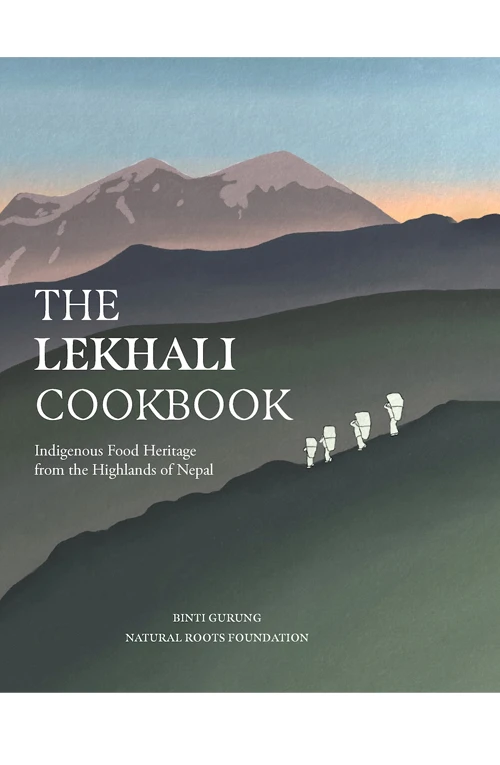 | The Lekhali Cookbook by Binti Gurung — warm, approachable home-style Nepali recipes for everyday cooking. The dishes are practical and friendly, which makes this a lovely book for beginners. |
 | The Rana Cookbook by Rohini Rana — the refined palace cuisine of Nepal's Rana era, beautifully presented. It offers a more elegant, special-occasion side of Nepali cooking, alongside fascinating history. |
 | Plant Based Himalaya: Vegan Recipes from Nepal by Babita Shrestha — inventive plant-based takes on Himalayan favourites. It is perfect for vegan and vegetarian cooks who want bold Nepali flavour without meat or dairy. |
 | Timmur by Prashanta Khanal — a deep dive into Nepali ingredients and flavour, named after the prized Himalayan pepper. It is a thoughtful book for cooks who want to truly understand Nepali taste. |
Pick the book that matches your needs today. Start with one comprehensive all-rounder, then add a more focused title once you know which dishes you love most. Two well-chosen books will carry you a long way.
It also helps to think about how you like to cook. If you enjoy big, generous spreads, a regional or festival-focused book will inspire you. If you prefer quick weeknight meals, look for everyday recipes with short ingredient lists. The cookbooks above cover both styles, so you can build a collection that truly fits your kitchen and your taste.
For momos, street food and everyday favourites
Some dishes deserve their own deep dive. Momos are the obvious example, and they reward practice. The folding takes a little patience, the fillings are endlessly flexible, and the achar dipping sauce is half the joy.
Everyday cooking matters just as much. Dal bhat tarkari is the balanced daily meal at the heart of Nepali life, and most cookbooks here will teach it well. Master the rhythm of lentils, rice, vegetables and pickle, and you can eat happily every day.
Street food is another joy worth exploring. Nepali towns are full of small snacks, from spicy chatpate to crisp samosas and sweet jalebi. These treats are quick to make and fun to share. A good cookbook helps you bring that lively, casual spirit into your own home.
Himalayan and Tibetan kitchens
The Himalaya stretches across many cultures and cuisines. To broaden your cooking, look beyond the valleys to the high country. Tibetan and Sherpa food is built for altitude and cold, so it is hearty and warming.
Think of thukpa, the comforting noodle soup, and tingmo, the soft steamed bread. Butter tea fuels long days in the mountains. These dishes use simple ingredients in clever ways, and several of the cookbooks above include them.
Newari cuisine of the Kathmandu Valley
Newari food is one of Nepal's great culinary treasures. It is the rich, ceremonial cooking of the Kathmandu Valley, often tied to festivals and feasts. The flavours are bold, and the variety is remarkable.
Classic dishes include bara, a savoury lentil pancake, and choila, spiced grilled meat. Many Newari meals are built around beaten rice, known as chiura. This cuisine can be complex, so a cookbook with clear guidance is a real help. The history alone makes it worth exploring.
Essential ingredients and simple substitutes
A few key ingredients give Nepali food its signature taste. You can find many of them in South Asian grocers, and good cookbooks suggest swaps for the rest. Here are some to know:
- Timmur, the tangy Himalayan pepper, adds a bright, tingling note. Szechuan pepper is the closest substitute.
- Jimbu, a dried Himalayan herb, lends a savoury depth to lentils and pickles.
- Mustard oil brings a sharp, classic flavour to many dishes.
- Fresh ginger, garlic and green chilli form the base of countless recipes.
- Cumin, turmeric and coriander are the everyday spices you will reach for most.
Do not worry if you cannot find every item at first. Start with the basics, and add the special ingredients as you go. The flavour will still be wonderful.
Simple equipment for a Nepali kitchen
You do not need special gear to cook Nepali food well. Most dishes come together with everyday pots and pans. Still, a few tools make the work easier and more authentic.
A heavy pan or kadhai is ideal for frying spices and vegetables. A pressure cooker speeds up lentils and tough cuts, and it is found in almost every Nepali home. A simple steamer helps with momos and tingmo, though a metal colander over a pot will do. For pickles, a sturdy mortar and pestle grinds spices beautifully. With these basics, you are ready for nearly any recipe in this guide.
Tips for cooking Nepali food at home
A few habits make Nepali cooking easier and more fun:
- Prepare your spices first. Measure and group them before you start, since the cooking can move quickly.
- Taste as you go. Balance is everything, so adjust salt, sour and heat to your liking.
- Make extra achar. A good pickle lifts even a simple plate of rice and lentils.
- Cook with friends. Folding momos together is a joy, and the work goes faster.
- Be patient with new dishes. Your second attempt is almost always better than your first.
Festival foods worth trying
Food sits at the heart of every Nepali festival. These special dishes are some of the most rewarding to cook at home, and many cookbooks include them. They turn an ordinary meal into a celebration.
During Dashain, families share rich meat curries and sweet treats. Tihar brings sel roti, the ring-shaped rice bread fried until golden and crisp. Newari feasts feature long, joyful spreads with many small dishes. Even simple festival sweets, made from milk, sugar and nuts, are a delight to learn. Cooking these dishes is a lovely way to mark the seasons, wherever you live.
Tips for visitors and travellers in Nepal
Many cooks buy these books while travelling in Nepal. A cookbook makes a wonderful keepsake, since it lets you taste the trip again at home. It is also a thoughtful gift for a friend who loves food.
Buy early in your stay, so you can match recipes to the meals you eat along the way. Paperbacks travel easily and fit in a daypack. Larger illustrated books are better posted home or ordered online for delivery. Our staff are always glad to help you choose the right one for your kitchen.
Where to buy Nepali cookbooks in Nepal
Pilgrims Book House stocks a wide range of Nepali and Himalayan cookbooks, food writing and culture titles. You will find everyday recipe collections as well as specialist and regional books. There is something here for the curious beginner and the keen home chef alike.
You can shop in our Kathmandu store, or order online for delivery across Nepal. To explore further, browse the Nepal cookery collection, or wander through the wider Pilgrims Book House range. Fresh stock arrives often, so it is always worth checking back.
Frequently asked questions
What is the best Nepali cookbook for beginners?
The Nepal Cookbook: 108 Regional Recipes by Rohini Rana is an excellent, comprehensive choice. It covers dishes from across Nepal with clear steps, so it suits both beginners and experienced cooks.
What dishes should a Nepali cookbook cover?
Look for dal bhat tarkari, momos and achar, plus festival specialities. Tibetan and Newari dishes give a fuller picture of Himalayan food.
Are Himalayan ingredients hard to find?
Many core ingredients are available in South Asian grocers. Good cookbooks also suggest substitutes for harder-to-source spices and produce, such as timmur and jimbu.
Is there a good Nepali cookbook for vegans?
Yes. Plant Based Himalaya: Vegan Recipes from Nepal by Babita Shrestha offers inventive plant-based versions of Himalayan favourites.
Which book is best for understanding Nepali flavour?
Timmur by Prashanta Khanal is a thoughtful deep dive into Nepali ingredients and taste, ideal for cooks who want to learn the why behind the dishes.
Where can I buy Nepali cookbooks?
Pilgrims Book House stocks Nepali and Himalayan cookbooks and food writing, available in our Kathmandu store and online for delivery across Nepal.



.webp)
